

Tips for Assembling Intricate 3D Puzzles with Confidence
- KC

- Sep 9, 2025
- 4 min read
Assembling intricate 3D puzzles can be a rewarding and enjoyable challenge. These puzzles require patience, attention to detail, and a strategic approach to bring the pieces together into a stunning three-dimensional model. Whether you are a beginner or an experienced puzzler, mastering the art of assembling complex 3D puzzles can enhance your skills and boost your confidence. This guide will provide practical tips and techniques to help you tackle these puzzles with ease and satisfaction.
Understanding the Basics of 3D Puzzles
Before diving into the assembly process, it is essential to understand what makes 3D puzzles unique. Unlike traditional flat puzzles, 3D puzzles involve constructing a model that has depth, height, and width. The pieces often interlock in specific ways, and the final product can be a replica of famous landmarks, vehicles, animals, or abstract designs.
Key points to consider:
Types of 3D puzzles: They can be made from cardboard, wood, plastic, or metal. Each material offers a different level of difficulty and durability.
Piece shapes and connections: Pieces may have tabs, slots, or magnets to connect securely.
Instructions: Most 3D puzzles come with detailed guides, but some require more intuition and spatial reasoning.
Taking time to familiarize yourself with the puzzle’s components and instructions will set a solid foundation for successful assembly.

Organising Your Workspace for 3D Puzzles
A well-organised workspace is crucial when working on intricate 3D puzzles. It helps you keep track of pieces, avoid losing small parts, and maintain focus throughout the process.
Tips for organising your puzzle area:
Choose a flat, spacious surface: A large table or desk with good lighting is ideal.
Sort pieces by type or colour: Group similar pieces together to make them easier to find.
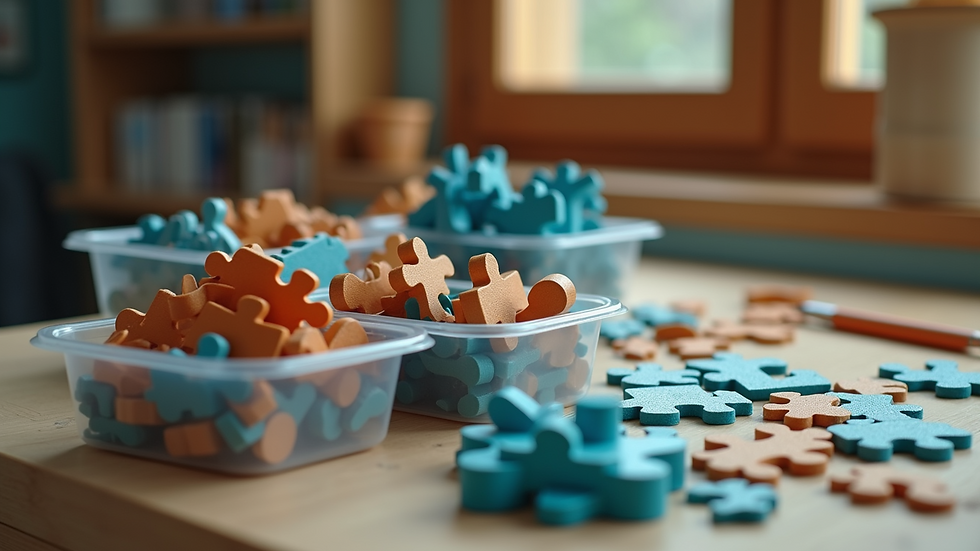
Use small containers or trays: These can hold pieces temporarily and prevent them from scattering.
Keep the instruction manual visible: Refer to it often to avoid mistakes.
Minimise distractions: Turn off notifications and create a calm environment.
By preparing your workspace thoughtfully, you reduce frustration and increase your efficiency.
Step-by-Step Strategies for Assembling 3D Puzzles
Approaching a 3D puzzle methodically can make the process smoother and more enjoyable. Here are some strategies to help you assemble your puzzle confidently:
1. Start with the Base or Frame
Most 3D puzzles have a base or frame that supports the structure. Begin by assembling this part to create a stable foundation.
Identify the base pieces by their shape or markings.
Follow the instructions carefully to connect these pieces.
Ensure the base is sturdy before moving on.
2. Work in Sections
Break down the puzzle into smaller sections or layers. This approach prevents overwhelm and helps you focus on manageable parts.
Assemble each section separately.
Check how sections fit together before final assembly.
Use the instruction manual to guide section order.
3. Use Gentle Pressure
When fitting pieces together, apply gentle but firm pressure. Forcing pieces can cause damage or misalignment.
If a piece doesn’t fit easily, double-check its orientation.
Rotate or flip pieces as needed.
Take breaks if you feel frustrated.
4. Keep Track of Small Pieces
Intricate puzzles often have tiny components that are easy to lose.
Use a magnetic tray or small box to hold these pieces.
Handle small parts with tweezers if necessary.
Avoid working near edges where pieces can fall.
5. Double-Check Your Work
Periodically review your progress to ensure pieces are correctly placed.
Compare your model with the images in the instructions.
Correct any mistakes early to avoid bigger problems later.
Celebrate milestones to stay motivated.

Enhancing Your Experience with 3D Puzzles
Beyond the technical assembly, there are ways to make your 3D puzzle experience more enjoyable and fulfilling.
Use proper lighting: Bright, natural light reduces eye strain.
Play background music: Soft music can improve concentration.
Invite friends or family: Collaborating can make the process social and fun.
Document your progress: Take photos at different stages to track your achievement.
Display your finished model: Find a special place to showcase your work.
If you are interested in exploring a variety of challenging and beautifully designed puzzles, consider checking out 3d model puzzles. These puzzles offer intricate designs that test your skills and provide a satisfying sense of accomplishment.
Troubleshooting Common Challenges in 3D Puzzle Assembly
Even with careful planning, you may encounter difficulties while assembling intricate 3D puzzles. Here are some common issues and how to address them:
Pieces don’t fit: Verify the piece orientation and check for any manufacturing defects.
Missing pieces: Contact the manufacturer or retailer for replacements.
Instructions unclear: Look for online tutorials or videos for additional guidance.
Model unstable: Ensure all connections are secure and the base is level.
Frustration or fatigue: Take regular breaks and approach the puzzle with a fresh mind.
Remember, patience is key. Each challenge you overcome improves your skills and confidence.
Building Confidence with Practice and Patience
Assembling intricate 3D puzzles is a skill that improves with practice. The more puzzles you complete, the better you become at recognising patterns, handling pieces, and visualising the final model.
Ways to build confidence:
Start with simpler 3D puzzles before progressing to more complex ones.
Set realistic goals and timelines for each puzzle.
Celebrate your successes, no matter how small.
Learn from mistakes and apply those lessons to future puzzles.
With time, assembling 3D puzzles will become a relaxing and rewarding hobby that sharpens your mind and creativity.

Embrace the challenge of intricate 3D puzzles and enjoy the satisfaction of creating beautiful models piece by piece. With these tips, you can approach your next puzzle with confidence and skill. Happy puzzling!


Comments