

The Art of Crafting Stunning 3D Metal Models
- KC

- Nov 12, 2025
- 3 min read
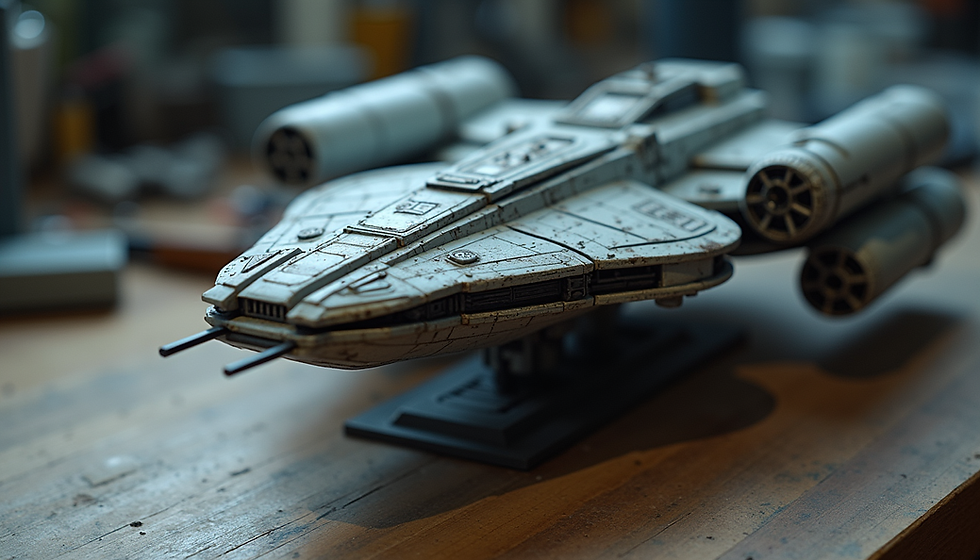
Creating metal models is a fascinating blend of art, engineering, and craftsmanship. These intricate pieces capture the imagination and showcase the skill of their makers. Whether for decoration, education, or hobby, metal models offer a unique way to appreciate design and detail. This post explores the essential steps and tips to craft stunning metal models that stand out.
Understanding the Basics of Metal Models
Before diving into the crafting process, it is important to understand what metal models are and what makes them special. Metal models are miniature representations made from various metals such as steel, brass, or aluminum. They can range from simple geometric shapes to complex replicas of vehicles, buildings, or animals.
The appeal of metal models lies in their durability and the fine detail achievable through metalworking techniques. Unlike plastic or wood, metal offers a sleek finish and a sense of permanence. This makes metal models ideal for collectors and enthusiasts who value precision and longevity.
Key Materials and Tools
Sheet metal: Thin sheets are commonly used for cutting and shaping.
Metal rods and wires: For structural support and fine details.
Cutting tools: Tin snips, jeweller’s saws, or laser cutters.
Filing and sanding tools: To smooth edges and surfaces.
Soldering equipment: For joining metal parts securely.
Protective gear: Gloves and goggles for safety.
Understanding these materials and tools is the first step toward mastering metal model crafting.

Techniques to Create Detailed Metal Models
Crafting metal models requires a combination of techniques to shape, join, and finish the metal pieces. Here are some fundamental methods used by professionals and hobbyists alike:
Cutting and Shaping
Precision is key when cutting metal parts. Using templates or digital designs can help ensure accuracy. Techniques include:
Manual cutting: Using snips or saws for simple shapes.
Laser cutting: For intricate and precise designs.
Bending and folding: To create three-dimensional forms from flat sheets.
Joining Methods
Once parts are cut and shaped, they need to be assembled. Common joining methods include:
Soldering: Melting a filler metal to bond parts.
Welding: Fusing metal pieces together with heat.
Riveting: Using small metal pins to hold parts.
Each method has its advantages depending on the model’s size and complexity.
Finishing Touches
The final appearance of a metal model depends on finishing techniques such as:
Polishing: To achieve a shiny, smooth surface.
Painting or coating: For colour and protection.
Etching or engraving: Adding fine details or textures.
These steps enhance the model’s aesthetic and durability.

Tips for Designing Your Own Metal Models
Designing metal models can be as rewarding as building them. Here are some practical tips to help you create designs that are both beautiful and feasible:
Start with simple shapes: Begin with basic forms before moving to complex structures.
Use software tools: CAD programs can help visualize and plan your model.
Consider scale and proportion: Ensure parts fit together and look balanced.
Plan assembly steps: Think about how pieces will be joined during construction.
Test with prototypes: Use cheaper materials like cardboard to refine your design.
By following these guidelines, you can create designs that are easier to build and more impressive in the final form.
Where to Find Quality 3D Metal Models
For those who prefer ready-made options or want inspiration, there are many sources for high-quality metal models. One excellent resource is Metal Mania 3D, which offers a wide range of intricate and beautifully crafted models.
These models are perfect for collectors, educators, or anyone interested in the art of metal crafting. They showcase the potential of metal as a medium and provide a great starting point for learning or gifting.
Enhancing Your Craft with Patience and Practice
Mastering the art of metal model crafting takes time and dedication. Here are some final recommendations to improve your skills:
Practice regularly: The more you work with metal, the better your control and precision.
Learn from others: Join online forums or local clubs to share tips and get feedback.
Experiment with different metals: Each type offers unique challenges and effects.
Invest in quality tools: Good tools make the process smoother and results more professional.
Document your projects: Keep notes and photos to track progress and techniques.
With patience and persistence, you can create stunning metal models that reflect your creativity and craftsmanship.

Crafting metal models is more than just a hobby - it is an art form that combines creativity, skill, and precision. Whether you are designing your own or exploring existing collections, the world of metal models offers endless possibilities to inspire and challenge you. Embrace the process and enjoy the satisfaction of bringing metal to life in miniature form.


Comments