

The Art of Crafting Detailed 3D Metal Models
- KC

- Sep 9, 2025
- 3 min read
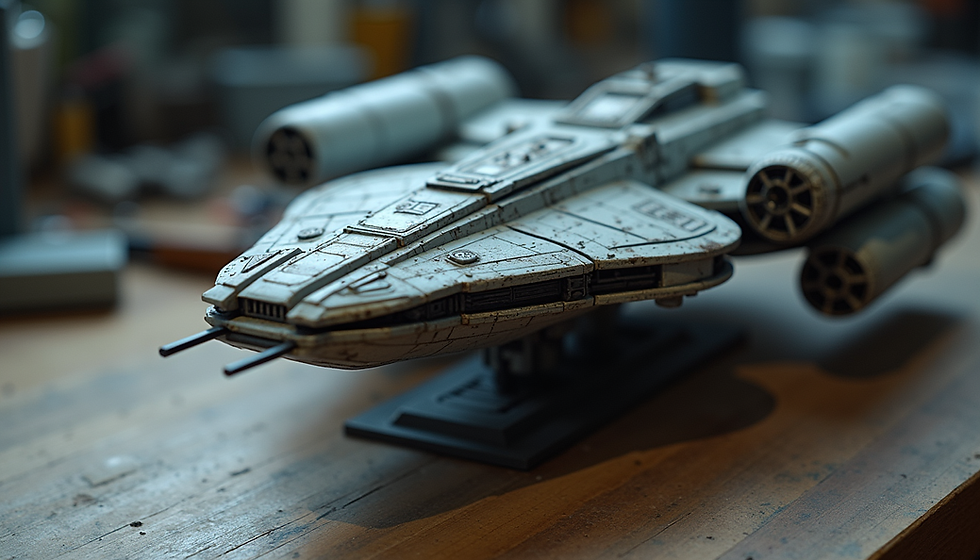
Creating detailed 3D metal models is a fascinating blend of art, engineering, and precision craftsmanship. These models capture intricate designs and transform them into tangible, durable pieces that can be admired for their complexity and beauty. Whether for hobbyists, collectors, or professionals, mastering the art of crafting these models requires patience, skill, and the right techniques.
Understanding the Basics of 3D Metal Model Crafting
Before diving into the crafting process, it is essential to understand the fundamental materials and tools involved. Metal models are typically made from thin sheets of stainless steel or brass, which are laser-cut into precise shapes. These sheets are then carefully bent, folded, and assembled to create the final model.
Key materials and tools include:
Metal sheets: Usually stainless steel or brass for durability and detail.
Laser cutting technology: Ensures precision in cutting complex shapes.
Tweezers and pliers: For bending and assembling tiny parts.
Magnifying glass or lamp: To see small details clearly.
Adhesives or soldering tools: Sometimes used for securing parts.
Understanding these basics helps in appreciating the complexity and the craftsmanship involved in creating detailed 3D metal models.

Techniques for Crafting Precise 3D Metal Models
Crafting detailed 3D metal models requires a combination of technical skills and artistic sensibility. The process typically involves several stages:
1. Preparation and Organization
Start by carefully reviewing the instruction manual and organizing all parts. Sorting pieces by size or function can save time and reduce errors during assembly.
2. Bending and Shaping
Use tweezers or pliers to bend tabs and edges along the scored lines. Precision is crucial here - even a slight misalignment can affect the overall fit and appearance.
3. Assembly
Follow the step-by-step instructions to connect parts. Tabs are usually inserted into slots and bent to secure the pieces together. Patience is key, as forcing parts can cause damage.
4. Finishing Touches
Once assembled, inspect the model for any loose parts or rough edges. Some crafters use fine sandpaper or metal files to smooth surfaces and enhance the final look.
By mastering these techniques, you can create models that are not only accurate but also visually stunning.

Choosing the Right 3D Metal Model Kits
Selecting the right model kit is an important step that influences your crafting experience and the final result. Kits vary in complexity, size, and subject matter, so consider the following factors:
Skill level: Beginners should start with simpler models that have fewer parts and straightforward assembly.
Interest: Choose models that match your interests, such as vehicles, animals, architecture, or famous landmarks.
Detail and scale: More detailed models offer a greater challenge and a more impressive finished product.
Brand reputation: Opt for kits from reputable manufacturers known for quality and clear instructions.
For those interested in exploring a wide range of options, 3d metal models offer an excellent selection of kits suitable for all skill levels.

Tips for Enhancing Your 3D Metal Model Crafting Experience
To improve your crafting process and enjoy the art of making detailed 3D metal models, consider these practical tips:
Work in a well-lit area: Good lighting reduces eye strain and helps you see small details clearly.
Use a magnifying glass: This tool is invaluable for handling tiny parts and ensuring precise bends.
Take breaks: Working on intricate models can be tiring; short breaks help maintain focus and prevent mistakes.
Keep parts organized: Use small containers or trays to avoid losing tiny pieces.
Practice patience: Rushing can lead to errors or damage; take your time to achieve the best results.
By following these recommendations, you can make the crafting process smoother and more enjoyable.
Exploring the Artistic Value of 3D Metal Models
Beyond technical skill, crafting 3D metal models is an artistic pursuit. Each model is a miniature sculpture that reflects creativity and attention to detail. Artists and hobbyists often customize their models by:
Adding paint or patina: To enhance realism or create unique finishes.
Combining models: Creating dioramas or themed displays.
Incorporating lighting: Using LEDs to highlight features and add visual interest.
This artistic dimension adds depth to the hobby, making each completed model a personal masterpiece.
Crafting detailed 3D metal models is a rewarding journey that combines precision, creativity, and patience. Whether you are assembling a simple vehicle or a complex architectural structure, the satisfaction of transforming flat metal sheets into intricate three-dimensional art is unparalleled. With the right tools, techniques, and mindset, anyone can master this craft and create stunning models to cherish or display.


Comments