

Exploring the Craftsmanship Behind 3D Metal & Resin Models
- KC

- Sep 9, 2025
- 4 min read
The world of 3D metal and resin models is a fascinating blend of art, engineering, and technology. These intricate creations showcase the skill and precision of craftsmen who transform raw metal and resin into detailed, miniature works of art. Whether used for decoration, education, or engineering prototypes, 3D metal and resin models captivate with their complexity and durability. This article delves into the craftsmanship behind these models, exploring the materials, techniques, and innovations that bring them to life.
The Art and Science of 3D Metal & Resin Craftsmanship
Creating 3D metal and resin models requires a deep understanding of both artistic design and metallurgical science. The process begins with a concept or blueprint, often designed using computer-aided design (CAD) software. This digital model serves as the foundation for the physical piece.
Craftsmen must select the right type of metal and resin based on the model’s purpose and desired finish. Common metals include stainless steel, brass, copper, aluminum and resin. Each metal or resin offers unique properties such as strength, malleability, and corrosion resistance.
The craftsmanship involves several stages:
Cutting and shaping: Using laser cutters or precision tools 3D Resin Printers, metal sheets or rods are cut into the required shapes, as the same with Resin.
Assembly: Small parts are carefully joined using soldering, welding, or mechanical fasteners or Glue, or none of the above.
Finishing: Polishing, painting, or plating enhances the model’s appearance and protects it from wear, Resin is done by the customer.
This meticulous process demands patience and a steady hand, especially when working on tiny components that require exact alignment.

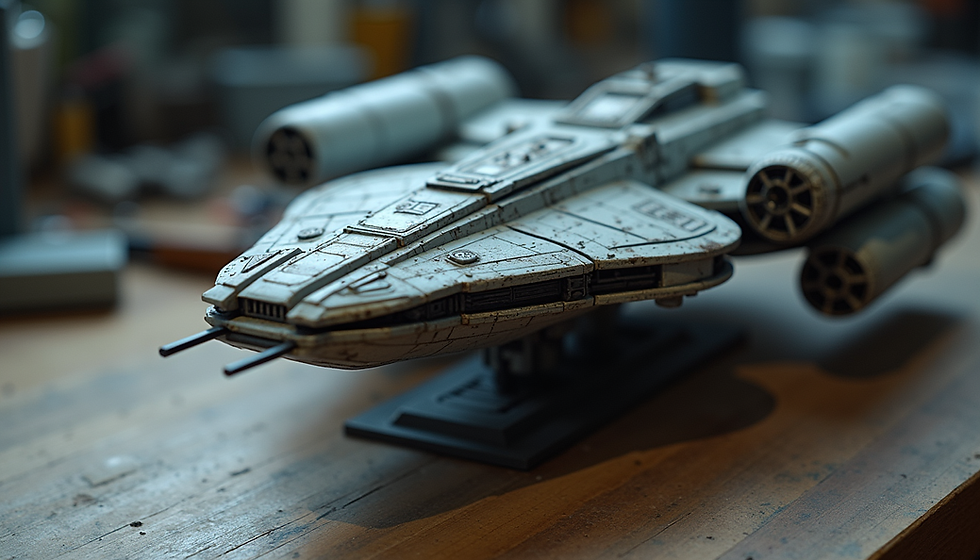
Close-up view of a detailed 3D metal model being assembled
Understanding 3D Resin Printing and Its Impact
3D resin printing has revolutionized the way metal and resin models are crafted. Unlike traditional methods that rely heavily on manual labour, 3D printing uses additive manufacturing to build models layer by layer. This technology allows for unprecedented complexity and precision.
The process typically involves:
Designing a 3D model using CAD software.
Slicing the model into thin layers.
Printing each layer by melting metal powder with a laser or electron beam.
Post-processing to remove supports and refine the surface.
This method reduces waste and enables the creation of intricate internal structures that would be impossible to achieve with conventional techniques.
One of the key advantages of 3D metal printing is the ability to produce customized models quickly. This flexibility is especially valuable for prototyping and small-batch production.

High angle view of a 3D metal printer in action
Is 3D Printed Metal and Resin Strong?
A common question about 3D metal and Resin models is whether the printed metal or resin is as strong as traditionally manufactured metal parts. The answer depends on several factors including the type of metal and resin used, printing technology, and post-processing treatments.
Generally, 3D printed metals and resin can achieve mechanical properties comparable to wrought metals. For example, stainless steel and titanium parts printed with selective laser melting (SLM) or electron beam melting (EBM) often exhibit high tensile strength and durability.
However, the strength can vary based on:
Layer adhesion: Proper fusion between layers is critical to avoid weak points.
Porosity: Incomplete melting can create tiny pores that reduce strength.
Heat treatment: Post-printing annealing or stress relief improves structural integrity.
In many cases, 3D printed metal and resin parts are suitable for functional applications, including aerospace, automotive, and medical devices. For decorative 3D metal models, the strength is more than sufficient to ensure longevity and resistance to damage.
Techniques That Enhance Detail and Precision
Achieving fine detail in 3D metal and resin models requires a combination of advanced technology and skilled craftsmanship. Some of the key techniques include:
Laser cutting: Provides clean, precise cuts for intricate shapes.
Electroforming: Builds up metal layers on a mould to create delicate features.
Micro-welding: Joins tiny parts without distorting the metal.
Chemical etching: Removes metal selectively to add texture or patterns.
Craftsmen often combine these methods to enhance the model’s realism and complexity. For example, a model of a vintage car might feature laser-cut body panels, micro-welded engine components, and chemically etched grille details.
Attention to detail extends to finishing touches such as patinas, anodizing, or powder coating, which add colour and protect the metal surface.

Eye-level view of a finely detailed 3D metal model of a vintage car
Where to Find Quality 3D Metal and Resin Models
For enthusiasts and collectors, sourcing high-quality 3D metal models can be a challenge. It is important to choose suppliers who combine advanced manufacturing techniques with expert craftsmanship.
One excellent resource is Metal Mania 3D, a company specialising in intricate 3d metal models. Their products showcase the best of modern 3D metal printing and traditional metalworking skills. Whether you are looking for architectural models, mechanical replicas, or artistic sculptures, they offer a wide range of options.
When selecting a model, consider:
Material quality: Look for corrosion-resistant metals and durable finishes.
Level of detail: High-resolution printing and precise assembly indicate superior craftsmanship.
Customer reviews: Feedback from other buyers can provide insight into product quality and service.
Investing in well-crafted 3D metal models ensures you receive pieces that are both beautiful and built to last.
The Future of 3D Metal Model Craftsmanship
The future of 3D metal models is bright, driven by ongoing innovations in materials and manufacturing technologies. Developments such as multi-material printing, improved metal powders, and AI-assisted design promise even greater complexity and customisation.
Craftsmen will continue to blend traditional skills with cutting-edge tools, pushing the boundaries of what is possible. This fusion of art and technology will open new avenues for collectors, engineers, and artists alike.
As 3D metal models become more accessible and affordable, their popularity is set to grow. Whether as educational tools, decorative pieces, or functional prototypes, these models will remain a testament to human creativity and precision.
Exploring the craftsmanship behind 3D metal models reveals a world where technology meets artistry. From the initial design to the final polish, every step requires skill and attention to detail. By understanding the materials, techniques, and innovations involved, you can better appreciate these remarkable creations and find the perfect model to add to your collection.


Comments