

Discover the World's Best 3D Designers for Figurines Model Cars and Dioramas

The art of 3D design has transformed how collectors and hobbyists experience figurines, model cars, and dioramas. Today, the finest 3D designers bring unmatched detail, creativity, and precision to these miniature worlds. Their work goes beyond simple models; it captures stories, emotions, and craftsmanship that appeal to enthusiasts worldwide. This post explores what sets the world’s best 3D designers apart, highlights their techniques, and shows how their creations elevate the hobby to new heights.
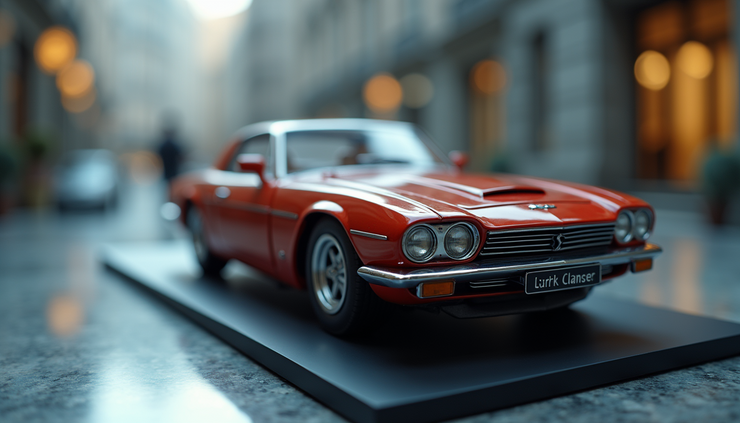
What Makes a 3D Designer Stand Out in Figurines and Model Cars
Creating figurines and model cars requires more than technical skill. The best designers combine artistry with engineering to produce pieces that are both visually stunning and structurally sound. Here are key qualities that distinguish top 3D designers:
Attention to Detail
Every curve, texture, and tiny feature matters. Designers study real-life references and use advanced software to replicate even the smallest elements, such as fabric folds on a figurine’s clothing or the tread pattern on a car’s tires.
Mastery of Software and Tools
Leading designers use professional 3D modeling programs like ZBrush, Blender, or Autodesk Maya. They also understand 3D printing technologies and materials, ensuring their designs translate perfectly from screen to physical object.
Creative Vision
Beyond accuracy, the best designers add personality and storytelling to their models. Whether it’s a dynamic pose for a figurine or a weathered look on a diorama vehicle, their creativity brings models to life.
Problem Solving
Designing for 3D printing involves overcoming challenges like support structures, print resolution limits, and assembly. Top designers anticipate these issues and adjust their models to maintain quality and durability.
Techniques Used by Top 3D Designers
The process of creating high-quality figurines, model cars, and dioramas involves several stages and specialized techniques:
Concept Development
Designers start with sketches or digital concepts. This phase defines the model’s pose, scale, and style.
Digital Sculpting
Using sculpting software, artists shape the model with virtual clay. This step allows for intricate details such as facial expressions or mechanical parts.
Retopology and Optimization
To prepare for printing, designers simplify the mesh without losing detail. This ensures the model prints efficiently and fits together if it has multiple parts.
Texturing and Painting
Some designers add digital textures or prepare the model for hand painting after printing. Realistic paint jobs enhance the final look, especially for dioramas and figurines.
Prototyping and Testing
Designers print prototypes to check fit, detail, and durability. They refine the model based on test results before final production.
Examples of World-Class 3D Designers and Their Work
Several designers have gained recognition for their exceptional contributions to the hobby:
Alexandre Girard
Known for his hyper-realistic figurines, Alexandre combines digital sculpting with traditional painting techniques. His models often feature lifelike skin textures and dynamic poses.
Maya Chen
Maya specializes in model cars with intricate engine details and weathering effects. Her work is prized by collectors who appreciate authenticity and craftsmanship.
Liam O’Connor
Liam’s dioramas tell stories through miniature scenes. He integrates 3D printed elements with handcrafted details to create immersive environments.
These designers often share their work on platforms like ArtStation and participate in conventions, inspiring others and pushing the boundaries of what 3D design can achieve.
How 3D Printing Revolutionizes Figurines and Model Cars
3D printing has opened new possibilities for designers and collectors alike:
Customization
Designers can create unique, limited-edition models tailored to specific themes or customer requests.
Complex Geometry
Shapes that were impossible or too costly to produce with traditional methods are now achievable.
Faster Prototyping
Rapid iteration allows designers to refine details quickly, improving the final product.
Accessibility
Hobbyists can download digital files and print models at home or through services, expanding access to high-quality designs.
Tips for Collectors to Choose the Best 3D Designed Models
When selecting figurines, model cars, or dioramas, collectors should consider:
Design Detail
Look for sharp, clear features and realistic textures.
Material Quality
High-quality resin or plastic ensures durability and better paint adhesion.
Assembly and Fit
Well-designed models fit together smoothly without gaps or warping.
Designer Reputation
Research the designer’s portfolio and reviews to ensure consistent quality.
Limited Editions and Exclusivity
Some models gain value through rarity and unique design elements.
The Future of 3D Design in Miniature Collectibles
As technology advances, 3D designers will continue to innovate:
Improved Printing Resolution
New printers will capture even finer details, making models more lifelike.
Material Innovation
Stronger, more flexible materials will allow for more complex and durable models.
Augmented Reality Integration
Designers may create models that interact with AR apps, adding digital layers to physical collectibles.
Collaborations Across Disciplines
Artists, engineers, and storytellers will work together to create multi-sensory experiences.
Collectors and hobbyists can look forward to increasingly impressive and immersive miniature worlds.


Comments